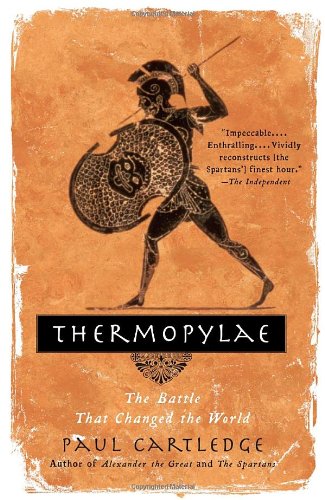
"Thermopylae: The Battle That Changed the World" by Paul Cartledge
From BarnesandNoble.com:
In 480 B.C., the mighty Persian king Xerxes led a massive force to the narrow mountain pass called Thermopylae, anticipating no significant resistance in his bid to conquer Greece. But the Greeks, led by Leonidas and a small army of Spartan warriors, took the battle to the Persians and nearly halted their advance.
Paul Cartledge's riveting, authoritative account of King Leonidas and the legendary 300 illuminates this valiant endeavor that changed the way future generations would think about combat, courage, and death.
Tuesday, November 15, 2016
Friday, November 4, 2016
Now reading... (post #150!)
"Naked" by David Sedaris
From BarnesandNoble.com:
In Naked, David Sedaris's message--alternately rendered in "Fakespeare," Italian, Spanish, and pidgin Greek--is the same: pay attention to me. Whether he's taking to the road with a thieving quadriplegic, sorting out the fancy from the extra-fancy in a bleak fruit-packing factory, or celebrating Christmas in the company of a recently paroled prostitute, this collection of memoirs creates a wickedly incisive portrait of an all-too-familar world. It takes Sedaris from his humiliating bout with obsessive behavior in "A Plague of Tics" to the title story, in which he is finally forced to face his naked self in the mirrored sunglasses of a lunatic. At this soulful and moving moment, he picks potato chip crumbs from his pubic hair and wonders what it all means.
This remarkable journey into his own life follows a path of self-effacement and a lifelong search for identity, leaving him both under suspicion and overdressed.
From BarnesandNoble.com:
In Naked, David Sedaris's message--alternately rendered in "Fakespeare," Italian, Spanish, and pidgin Greek--is the same: pay attention to me. Whether he's taking to the road with a thieving quadriplegic, sorting out the fancy from the extra-fancy in a bleak fruit-packing factory, or celebrating Christmas in the company of a recently paroled prostitute, this collection of memoirs creates a wickedly incisive portrait of an all-too-familar world. It takes Sedaris from his humiliating bout with obsessive behavior in "A Plague of Tics" to the title story, in which he is finally forced to face his naked self in the mirrored sunglasses of a lunatic. At this soulful and moving moment, he picks potato chip crumbs from his pubic hair and wonders what it all means.
This remarkable journey into his own life follows a path of self-effacement and a lifelong search for identity, leaving him both under suspicion and overdressed.
Subscribe to:
Comments (Atom)